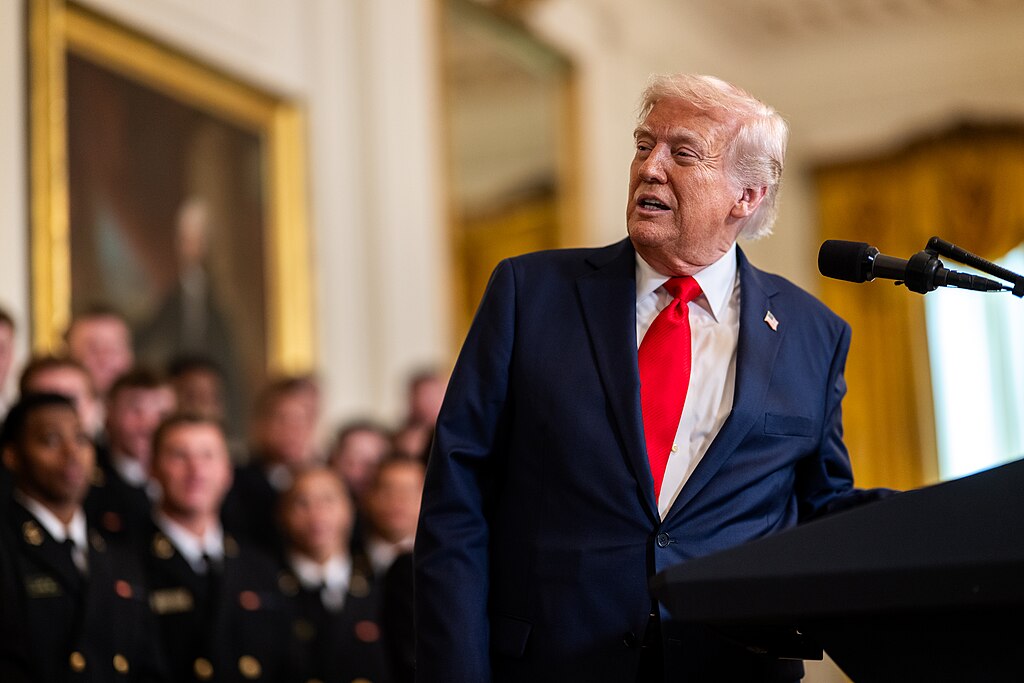
President Donald Trump announced plans to sign an executive order aimed at significantly lowering U.S. prescription drug prices by tying them to the lowest costs paid internationally. In a Truth Social post on Sunday, Trump criticized pharmaceutical companies for decades of inflated prices, highlighting that Americans often pay five to ten times more than citizens in other countries for identical medications produced by the same manufacturers.
Trump's proposed order will introduce a "Most Favored Nation" pricing rule, a policy that would require pharmaceutical companies to match U.S. drug prices with those in countries where the same medications are sold for less. He claimed the move could immediately cut drug prices by 30% to 80%, delivering major savings to American consumers.
The president argued that this policy would save the U.S. “trillions of dollars” and drastically reduce overall healthcare costs—though no specific implementation details or regulatory mechanisms were disclosed. Trump stated that this step was long overdue and that no administration had ever dared to challenge the pharmaceutical industry at this level.
While the announcement has reignited debate around drug price reform, healthcare experts caution that such measures often require lengthy regulatory processes and international negotiations. Nevertheless, Trump’s promise to curb soaring drug prices taps into a key voter concern as prescription affordability continues to burden millions of Americans.
The executive order is expected to be signed Monday, though the timeline for enforcement and its legal durability remain unclear. Trump’s move could mark a bold step in reshaping U.S. pharmaceutical pricing, a space long criticized for lack of transparency and fairness compared to global benchmarks.